Wandsworth Council rules for tree works and Putney gardeners
Posted on 18/10/2026
Wandsworth Council rules for tree works and Putney gardeners: what to know before you prune, reduce, or remove
If you are planning tree work in Putney, the paperwork can matter just as much as the pruning. Wandsworth Council rules for tree works and Putney gardeners affect everything from a quick crown lift to the removal of a mature tree, and getting it wrong can lead to delays, complaints, or worse, a formal enforcement headache. In a neighbourhood with tight boundaries, overlooking roots, shade, and neighbour relations is rarely a small thing.
This guide explains the process in plain English. You will learn when permission may be needed, how to check whether a tree is protected, what a sensible workflow looks like, and how local gardeners and tree specialists usually approach the job without causing trouble. To be fair, most problems are avoidable once you know the order of things.
Why Wandsworth Council rules for tree works and Putney gardeners Matters
Tree work is never just about cutting branches. In Putney, a mature tree can affect light, privacy, drainage, wildlife, neighbours, and even the overall look of a street. That is why council rules exist: they help balance a homeowner's plans with the wider public interest. If a tree is protected, or if the work could affect a conservation area, the council may need to be informed before any chainsaw starts up.
For Putney gardeners, this matters in a practical, everyday way. A quick hedge tidy or small formative prune is often straightforward, but larger work can sit in a grey area. One client might think they are only "taking a bit off the top," while the actual task is closer to tree surgery. That distinction matters. A lot.
It also matters because poor tree work can create long-term problems. Bad pruning can stress the tree, invite disease, or leave ugly, weak regrowth. And once a tree has been mishandled, fixing it tends to cost more than doing it properly in the first place.
If you are also thinking about wider garden changes, tree work often ties into layout and planting choices. For example, a front garden redesign may go hand in hand with the guidance in choosing the right plants for a front garden, while shaded corners after a tree reduction can be improved with ideas from evergreen climbers for quieter spaces.
How Wandsworth Council rules for tree works and Putney gardeners Works
The basic principle is simple: before doing significant work on a tree, find out whether it is protected and whether the area has additional planning controls. In many cases, the key question is whether the tree is subject to a Tree Preservation Order, commonly called a TPO, or whether the property sits within a conservation area. Those two factors usually change what you can do and when you can do it.
A TPO is a formal protection placed on a tree or group of trees. If a tree is protected, you normally need council consent for works such as felling, topping, lopping, crown reduction, or heavy root disturbance. A conservation area works a bit differently: certain tree works may need advance notice rather than full consent. That sounds minor, but it is not. Notice periods can affect the timing of seasonal jobs and contractor schedules.
Putney gardeners often deal with tree work as part of broader maintenance. That might include lifting low branches over a path, reducing a tree that is blocking light, or removing deadwood after a windy spell. The sensible approach is to identify the tree, assess the scale of work, and decide whether the task is garden maintenance or specialist tree surgery. When in doubt, treat it as the more regulated option. It is safer that way.
There is also a neighbour side to this. Tree work can trigger misunderstandings quickly if branches overhang a boundary or leaves are causing seasonal nuisance. Good gardeners do not just cut and go. They explain what is being done, why, and what the likely outcome is for the tree and the surrounding garden.
Key Benefits and Practical Advantages
Following the correct process brings more than legal peace of mind. It usually leads to better garden outcomes, better customer relationships, and fewer expensive surprises.
- Safer work: Proper assessment reduces the chance of branch failure, property damage, or avoidable injury.
- Healthier trees: Right-sized pruning supports shape, balance, and future growth rather than encouraging stress or decay.
- Better property presentation: A well-managed tree can frame a home beautifully instead of making it feel boxed in.
- Fewer disputes: Checking permissions and communicating early can prevent neighbour complaints and awkward follow-up.
- More efficient planning: If council approval is needed, you can schedule the work around notice periods rather than scrambling later.
There is another upside that people sometimes miss: council-aware tree work helps gardeners design for the future, not just for this Saturday afternoon. When a mature tree is kept healthy, you can work with it instead of fighting against it. That means better planting zones, smarter shade management, and fewer emergency callouts after storms.
For gardens that need a lighter-touch maintenance strategy, this can pair neatly with ideas from budget low-maintenance garden planning or even severe weather protection strategies, especially where exposed branches and wind channels are part of the picture.
Who This Is For and When It Makes Sense
This topic is relevant to a surprisingly wide group. It is not only for landlords or full-scale landscaping projects. In Putney, tree rules can affect almost anyone with a front garden, rear garden, courtyard, or shared boundary planting.
- Homeowners planning to reshape, reduce, or remove a tree near the house.
- Landlords and managing agents who need to keep trees safe, tidy, and compliant.
- Gardeners maintaining hedges, ornamental trees, or mixed borders around mature specimens.
- Families trying to improve light, safety, or play space in a shaded garden.
- Pet owners who need clearer sightlines and less leaf litter underfoot.
- Anyone near a conservation area or with a protected tree on site.
It makes sense to pause and check the rules before work begins if the tree is large, visibly mature, close to a boundary, or part of a row or avenue. It also makes sense if a contractor has told you the job is simple but has not mentioned permissions. That is a little red flag, honestly.
For a wider garden refresh, tree work often sits alongside planting and layout changes. A reshaped boundary can open the door to privacy-focused hedge ideas, or to softer ground-level planting such as ground covers that knit a space together.
Step-by-Step Guidance
Here is the simplest practical route to follow when tree work is being considered in Putney.
- Identify the tree and the exact work needed. Is it pruning, crown reduction, deadwood removal, stump treatment, or full removal? Be specific.
- Check whether the tree is protected. Look for a Tree Preservation Order or any conservation area sensitivity. If you are unsure, treat the tree as protected until confirmed otherwise.
- Assess the real objective. Are you trying to gain light, reduce risk, stop encroachment, or improve the shape? The goal should match the method.
- Get an informed opinion. A knowledgeable gardener or tree surgeon can tell you whether the work is minor, routine, or the kind that needs formal attention.
- Prepare the application or notice, if needed. Include clear descriptions, photos, and a straightforward explanation of why the work is proposed.
- Plan timing carefully. Avoid rushing because of nesting birds, strong winds, wet ground, or neighbour access issues. Timing can make a messy job manageable.
- Carry out the work with the right method. Good cuts, sensible sequencing, and clean waste removal all matter.
- Review the result. Check that the tree still looks balanced and that the garden remains practical rather than oddly stripped back.
A tiny but useful habit: keep a short record of what was done and when. If you later need to explain the work to a neighbour, contractor, or council officer, that note can save a lot of faffing about.
For people starting from a messy, overgrown space, a structured approach helps. The wider logic behind a tidy-up is similar to the one used in a garden makeover plan, where each change is made in the right order rather than all at once.
Expert Tips for Better Results
Good tree work is often less about force and more about judgement. The best results usually come from restraint, timing, and an eye for the long game.
- Work with the tree's structure. The shape of the tree should guide the cut, not the other way around.
- Use proportion as your guide. Removing too much at once can leave a tree looking harsh and unstable.
- Think about light, not just size. Sometimes a lighter prune achieves the goal better than a heavy reduction.
- Protect nearby planting. Soil compaction and dropped debris can damage shrubs, perennials, and spring bulbs.
- Watch the weather. Wet ground and windy days are not your friends when larger branches are involved.
- Keep communication calm and clear. Neighbours usually respond better when they know the plan before a noisy morning begins.
One practical observation from local garden work: many "tree problems" are actually canopy problems. A carefully planned prune can restore daylight to a patio, make lawn care easier, and reduce damp shade without turning the garden into a stumpy afterthought. That balance is what you want.
If your goal is to pair tree management with a more pleasant outdoor space, you might also look at garden seating plans or a calmer layout inspired by a zen-inspired garden. Small shifts can change how a garden feels at 8am, not just how it looks in photos.
Common Mistakes to Avoid
Most avoidable issues come from speeding through the decision stage. The work itself is then forced to carry the burden, and that is where things get clumsy.
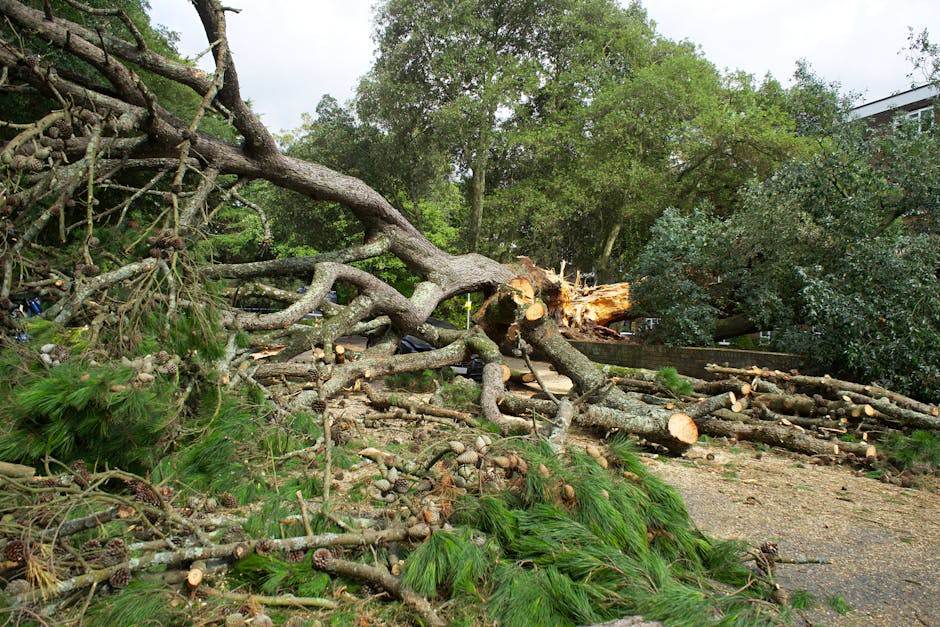
- Starting work before checking protection status. This is the big one. A protected tree needs proper checking first.
- Assuming all pruning is routine. Some tasks look small but are legally or horticulturally significant.
- Over-pruning for instant results. Big cuts can create big problems later, especially with mature trees.
- Ignoring root zone damage. Digging, trenching, heavy storage, or repeated compaction can harm tree health.
- Letting utility access drive the whole plan. Access matters, yes, but it should not be the only reason for the cut.
- Failing to tidy up properly. Debris left behind can smother lawns, block drains, and look frankly rude.
Another common issue is mixing hedge trimming and tree work as if they were interchangeable. Sometimes they overlap, but not always. A hedge can be a hedge, or a line of young trees can be a much more sensitive feature. The label matters more than people think.
And yes, it is a bit annoying to slow down and check. But that annoyance is usually cheaper than fixing a mistake later.
Tools, Resources and Recommendations
For small jobs, the right tools make the difference between a neat finish and a ragged one. For larger work, the main resource is usually expertise, not muscle. In either case, preparation pays off.
| Need | Useful approach | Why it helps |
|---|---|---|
| Minor shaping or tidying | Sharp hand tools, clean cuts, careful disposal | Reduces tearing and keeps the tree tidy |
| Protected or mature trees | Specialist assessment before any work | Helps avoid compliance mistakes and structural damage |
| Shaded borders after pruning | Shade-tolerant planting and ground cover | Keeps the garden attractive rather than bare |
| Windy or exposed gardens | Staged pruning and seasonal planning | Improves safety and reduces stress on branches |
| Neighbour-facing trees | Clear communication and a tidy work schedule | Prevents misunderstandings and keeps things civil |
For the supporting garden work around trees, these internal resources can be useful: essential gardening tools, weed control tips, and nutrient-rich soil from organic material. They all play a part when a tree job ripples into the rest of the garden.
Law, Compliance, Standards, or Best Practice
Tree work in the Wandsworth area should be treated as a compliance-sensitive task whenever the tree may be protected or the site may fall within a conservation area. The exact rules can change depending on the tree, the location, and the nature of the proposed work, so it is sensible to use current council guidance or a qualified local professional before starting.
In practical terms, the safest standards are straightforward:
- Check status first. Do not assume a tree is unprotected.
- Describe the proposed work precisely. "Trim it back" is less useful than "reduce the south-facing canopy by a sensible amount to improve light."
- Avoid unnecessary damage. A tree should be pruned for a reason, not because it is simply in the way.
- Use proportionate methods. Good arboricultural practice values shape, structure, and future health.
- Keep records. Notes, photos, and written approval or notice details can be very helpful later.
Where safety is concerned, professionally managed tree work should also align with safe working practices, proper risk assessment, and sensible site control. If a task is above ground level, close to roads, near services, or likely to involve larger limbs, it stops being a casual garden job pretty quickly.
For broader operational reassurance, some Putney clients also like to review service information such as insurance and safety and health and safety policy before commissioning work. That is not overcautious. It is just sensible.
Options, Methods, or Comparison Table
Not every tree-related task needs the same level of intervention. The right method depends on the tree's size, condition, legal status, and the result you want.
| Method | Best for | Potential downside | Typical use case |
|---|---|---|---|
| Light pruning | Routine shaping and minor clearance | May not solve major shading or size issues | Small ornamental trees and tidy boundary work |
| Crown reduction | Reducing spread or height while keeping structure | Must be done carefully to avoid stress | Mature trees affecting light or neighbours |
| Deadwood removal | Safety and tree health | Does not alter size much | Seasonal maintenance and hazard reduction |
| Felling | Unsafe, failing, or unsuitable trees | Most likely to need formal consent | Serious structural decline or redevelopment |
| Pollarding or severe reduction | Specific management situations | Can look severe if misapplied | Only where appropriate and well justified |
In general, the least invasive method that solves the actual problem is usually the best method. That sounds obvious, but in the real world it gets ignored all the time.
Case Study or Real-World Example
Consider a Putney homeowner with a mature tree shading a small rear terrace. The brief sounds simple: "We just need more light." On inspection, the tree is not dying, but it is tall, visible from the street, and close to neighbouring gardens. A quick cut would have been the easy route. It would also have been the wrong one.
Instead, the tree is checked for protection status. The proposed work is narrowed down to selective reduction and deadwood removal rather than heavy topping. The gardener explains the aim to the neighbour, who had been worried about overhanging branches near a washing line. The result is a calmer, brighter terrace, a healthier tree shape, and no awkward council follow-up. Not glamorous, perhaps, but very effective.
That kind of job often changes the rest of the garden too. Once the light improves, the owner can rework planting beneath the canopy with shade-tolerant options or switch to lower-maintenance border care. If that sounds familiar, the ideas in vertical gardens and container gardening can be surprisingly helpful in the newly opened space.
Practical Checklist
Use this before any tree work begins. It saves time, and frankly, a few headaches.
- Confirm the tree's location and ownership.
- Check whether a Tree Preservation Order may apply.
- Consider whether the property is in a conservation area.
- Write down the exact work being proposed.
- Take clear photos from several angles.
- Ask whether the work is routine maintenance or specialist tree surgery.
- Think about nesting birds, wind exposure, and seasonal timing.
- Tell neighbours if the work may affect access, noise, or parking.
- Keep approval, notice, or contractor notes together in one place.
- Review the garden afterwards and plan any replanting or soil repair.
If you want to pair tree work with wider garden care, it can help to revisit beginner garden planning tips or a broader garden maintenance approach. The follow-through matters just as much as the cut itself.
Get a free quote today and see how much you can save.
Conclusion
Wandsworth Council rules for tree works and Putney gardeners are not there to make life awkward. They exist to protect trees, manage risk, and keep the local environment workable for everyone who lives around it. Once you understand the basic distinction between routine garden tidying and regulated tree work, the whole process becomes much easier to navigate.
For Putney homes in particular, the smartest approach is usually calm and methodical: identify the tree, check protection status, choose the lightest effective method, and keep the wider garden in mind. That way, the result is not just compliant. It is better-looking, healthier, and far less likely to come back and bite you later. And that, to be fair, is the whole point.
There is something satisfying about doing tree work properly. The garden feels lighter, the branches settle, the afternoon light comes through again, and the space just breathes a bit more. Nice when that happens.

With her expertise in gardening, Rachel is adept at crafting informative articles on landscaping, lawn maintenance, and garden care, aiding numerous individuals in creating their dream gardens.