Seasonal lawn care checklist for Putney gardeners 2026
Posted on 03/11/2026
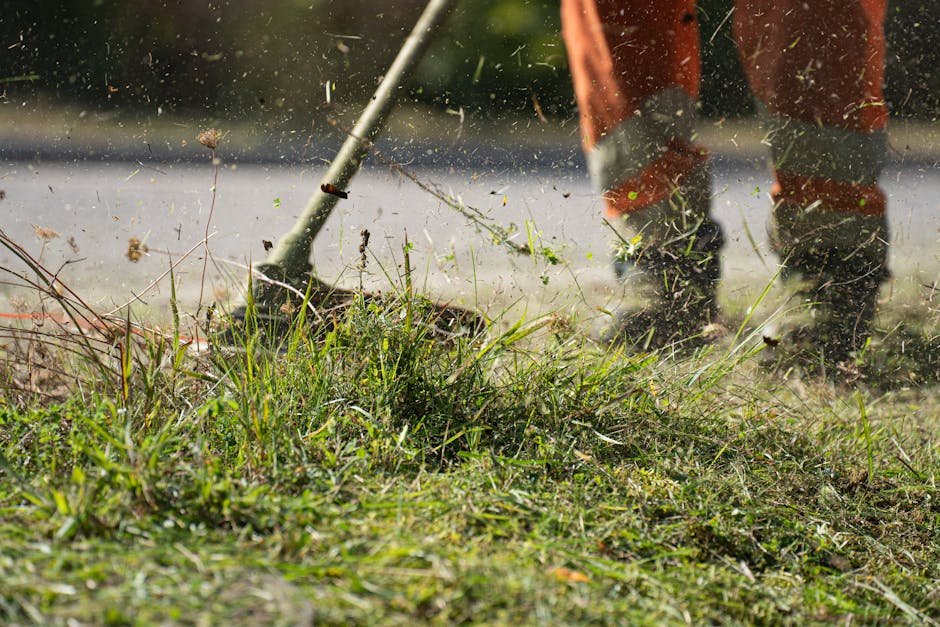
If you want a lawn that stays tidy, resilient, and genuinely pleasant to use through the year, you need more than an occasional mow. A Seasonal lawn care checklist for Putney gardeners 2026 gives you a clear plan for each part of the year, so you can work with the weather rather than chase problems after they have already spread. In Putney, that matters. Urban shade, compacted soil, patchy foot traffic, and sudden wet spells can all affect how grass behaves from one month to the next.
This guide breaks the job into simple seasonal actions, explains what really makes a difference, and shows when it is worth bringing in help. Whether you manage a small terrace lawn, a family garden, or a larger shared outdoor space, the aim is the same: stronger grass, fewer bare patches, less weed pressure, and a lawn that does not become a weekend headache. Sounds good, right?
Why Seasonal lawn care checklist for Putney gardeners 2026 Matters
Grass is living material, not a hard surface. It grows, rests, thickens, thins, and reacts to temperature, rainfall, shade, and use. That is why a one-size-fits-all lawn routine usually disappoints. In Putney, where gardens can range from bright south-facing plots to shaded back spaces near mature trees, timing is everything.
A seasonal plan helps you avoid the classic spiral: a dry spring leads to thin growth, summer wear opens space for weeds, autumn leaf cover encourages dampness, and winter compaction makes recovery slower. Once that chain starts, you can end up spending more time fixing symptoms than supporting healthy turf. Bit annoying, really.
The value of a seasonal checklist is not just appearances. A well-timed feeding, the right mowing height, and a sensible aeration or scarification routine can make the lawn denser. Denser grass naturally reduces weed invasion and improves how the surface drains after rain. That matters in London gardens where footfall, clay pockets, and limited sunlight can quickly show up as moss or bare patches.
It also helps with planning. Instead of wondering whether you should feed, mow, or seed now, you can simply look at the season and know the priority. If you are already looking after planting beds too, you may find it useful to cross-check broader garden care ideas from winter plant protection tips and the practical advice in efficient weed control guidance.
How Seasonal lawn care checklist for Putney gardeners 2026 Works
The checklist works by matching tasks to the lawn's changing needs across the year. Think of it as four jobs repeated in different forms: tidy growth, root support, surface recovery, and winter protection. The tasks do not need to be complicated, but they do need to happen at the right time.
In spring, the focus is recovery. Grass is waking up, soil is warming, and the lawn can benefit from light raking, feeding, edging, and overseeding where wear has left thin areas. Summer is about control: mowing correctly, watering deeply but not obsessively, and avoiding unnecessary stress. Autumn is the repair window. That is when you tackle compaction, thatch, and bare spots before colder weather slows everything down. Winter is more about restraint than action. Keep traffic light, clear debris, and avoid damaging wet or frozen turf.
For Putney gardens, the details matter. Shadier lawns often need less aggressive mowing and more patience. Sunny lawns may need a sharper eye on watering and dry patch. Lawns under trees often suffer from root competition and leaf fall, so seasonal cleaning is not optional. If your garden layout includes hedges, raised features, or shade-heavy boundaries, it may help to read about fast-growing hedges and garden screening because boundary planting can influence light and airflow on a lawn more than people expect.
There is also a practical rhythm to the work. Most of the tasks can be scheduled monthly, with some only needed once or twice a year. That is the whole point: fewer random decisions, better results, less guesswork.
Key Benefits and Practical Advantages
The biggest benefit is consistency. A lawn that receives the right care in the right season becomes more stable and less patchy over time. But there are several other advantages worth calling out.
- Improved grass density: overseeding, feeding, and careful mowing encourage thicker coverage.
- Better weed resistance: healthy turf leaves less room for moss and broadleaf weeds.
- Reduced water waste: proper watering habits are more efficient than frequent shallow watering.
- Lower repair costs: small seasonal tasks usually cost less than major restoration later.
- Better appearance year-round: even in quieter months, the lawn looks cared for rather than neglected.
- Safer family use: fewer holes, muddy patches, and slippery build-ups mean a more usable garden.
There is also the peace-of-mind factor. When you know the lawn has been aerated, edged, fed, and cleared of debris at the right time, you stop second-guessing every weather change. You just get on with enjoying the garden. A small thing, perhaps, but it makes the whole outdoor space feel calmer.
If your outdoor space is meant to be low-maintenance, a seasonal structure is even more valuable. For ideas on balancing effort and outcome, see the thinking behind low-maintenance garden planning.
Who This Is For and When It Makes Sense
This checklist is for anyone in Putney who wants a healthier lawn without relying on reactive fixes. That includes homeowners, landlords, busy families, and people maintaining shared gardens or rental properties. It is also useful if you have recently moved into a property and are not sure what the lawn has been through before you arrived. Truth be told, plenty of lawns are already under stress by the time someone new takes over.
It makes particular sense if any of these sound familiar:
- the lawn gets patchy after summer gatherings or children's play
- moss appears in shaded or damp areas each autumn
- the grass is uneven because of old repairs or repeated foot traffic
- you are not sure when to feed, seed, or scarify
- you want a neater garden without turning it into a full-time hobby
It is also relevant if your garden is part of a broader redesign. For example, if you are reworking planting, seating, or boundaries at the same time, the lawn often needs to be considered alongside the rest of the layout. That is where a broader garden makeover approach can help you make better decisions overall.
And if you are on the fence about doing it yourself versus booking a professional service, the answer often comes down to time, access, and soil condition. A small, simple lawn may only need a tidy routine. A larger or tired lawn, especially one with compaction or drainage problems, may need more than a casual mow and a bag of seed.
Step-by-Step Guidance
Below is a practical seasonal framework you can follow through 2026. It is written for typical Putney conditions, where weather can change quickly and gardens often have a mix of sun, shade, and built structures. Adjust the timing a little if the season arrives early or late. The lawn will tell you plenty if you pay attention.
Late winter to early spring
- Clear leaves, twigs, and any compacted debris that has sat on the turf for weeks.
- Check for waterlogging or bare patches once the soil is no longer saturated.
- Lightly rake out dead material if the grass is dry enough to avoid tearing.
- Sharpen your mowing blades before growth really takes off.
- Plan any overseeding, edging, or feeding based on the lawn's condition.
The key here is restraint. You are not trying to force the lawn into shape while it is still cold and slow. You are preparing it for the season ahead.
Spring
- Resume mowing once growth begins, but keep the blades high enough to avoid scalping.
- Feed lightly if the turf looks tired after winter.
- Overseed thin areas, especially where shoes, pets, or children have worn a path.
- Water only if conditions are dry enough to justify it.
- Edge borders for a clean line; honestly, edging changes the whole feel of the garden.
Spring is the most forgiving time to encourage recovery. If you are introducing new planting nearby, it can also be a good time to rethink how lawn space and beds interact. For inspiration on plant layout, the article on seasonal blooms for front gardens is useful because the same balance principles apply.
Summer
- Mow regularly, but do not cut too short in dry spells.
- Water deeply rather than frequently if the lawn starts to dry out.
- Leave clippings only if they are light and evenly dispersed.
- Watch for stress in sunny or south-facing areas.
- Reduce heavy use after long dry periods, especially on younger turf.
Summer lawns often fail because of overconfidence. A grass blade can look fine in the morning and tired by late afternoon if the soil underneath is drying too quickly. You will notice the change before you see major damage, usually in colour and springiness underfoot.
Autumn
- Rake leaves regularly so damp litter does not smother the grass.
- Aerate compacted areas to improve drainage and root breathing space.
- Apply autumn feed where needed to support root strength rather than soft top growth.
- Repair patches with seed while the soil is still workable.
- Reduce mowing frequency as growth slows, but keep the lawn tidy.
Autumn is probably the most underrated season for lawn care. People assume it is all over once summer ends, but this is exactly when a lot of future problems are prevented. If you leave the lawn buried under leaves or compacted by wet foot traffic, winter will simply magnify the damage. No mystery there.
Winter
- Avoid mowing unless the grass is still actively growing and conditions are very mild.
- Keep foot traffic to a minimum when the ground is frozen or waterlogged.
- Remove fallen leaves promptly.
- Do not work on saturated turf; it causes rutting and compaction.
- Inspect edges, drainage, and any problem spots so you are ready for spring.
Winter is the season for protection. The less you disturb the turf, the better it will respond in the next growth cycle. If the rest of your garden needs winter support too, the guide on keeping plants vibrant through winter pairs nicely with a lawn care plan.
Expert Tips for Better Results
A few small decisions make a surprisingly big difference. In our experience, the people who get the best results are not always doing more. They are doing the right things at the right time, and they are not overhandling the turf.
- Keep mowing blades sharp: blunt blades tear grass rather than cut it cleanly, leaving the lawn looking ragged.
- Raise the cut in stress periods: longer grass shades roots and holds moisture better during dry spells.
- Work when the lawn is dry enough: wet mowing can smear grass and compact soil if you are not careful.
- Patch thin spots early: small repairs are much easier than full reseeding later.
- Think about shade first: if the lawn is under trees or beside a fence, sunlight and airflow can matter more than fertiliser.
- Use clippings wisely: a light mulch can be useful, but thick clumps should always be removed.
Here is a simple rule that saves a lot of trouble: if the lawn looks tired, do not immediately reach for another product. Check watering, mowing height, shade, compaction, and debris first. Nine times out of ten, the real issue is somewhere in that list.
If your garden includes hard edges, paths, or paved areas that collect mess, a tidy lawn often looks better beside clean surrounding surfaces too. That is why some homeowners pair turf care with patio cleaning support and broader garden maintenance. It is all connected, really.
Common Mistakes to Avoid
Most lawn problems come from a handful of repeated habits. They are easy to fall into because they feel productive at the time. The trouble is, the lawn pays for it later.
- Cutting too short: a low cut can stress grass, especially in heat or shade.
- Watering too often and too lightly: shallow watering encourages shallow roots.
- Ignoring compaction: if the soil is tight, roots struggle, even if the surface looks green for now.
- Leaving leaves in place: damp leaf cover blocks light and encourages disease.
- Feeding at the wrong time: the wrong fertiliser at the wrong season can push soft growth or waste money.
- Overseeding into poor conditions: seed needs contact with workable soil, not a layer of debris.
Another mistake is treating every brown patch as the same problem. A patch caused by dog urine is not the same as a patch caused by drought, shade, or a buried stone. That distinction matters because the fix changes. If pets are part of the picture, it is worth reading the advice on garden layouts for dog owners as well as planning lawn repairs more carefully.
And one more, quietly common: people forget that lawns often suffer because of what is happening around them. Overgrown hedges can reduce light. Heavy tree roots can steal moisture. Poor drainage from nearby hard landscaping can leave the turf wet for too long. Sometimes the lawn is not the whole problem, just the visible one.
Tools, Resources and Recommendations
You do not need a mountain of equipment, but the right tools make seasonal tasks far easier and safer. A basic kit covers most of the work, and it is worth keeping things in decent condition rather than replacing them in a rush every spring.
- Push mower or well-maintained rotary mower for regular cutting
- Spring rake or lawn rake for thatch and debris
- Hose with sprinkler or watering can for targeted watering
- Hand fork or aerator for small compaction spots
- Spreader for even feeding or overseeding
- Sharp edging tool for clean borders
- Sturdy gloves and garden footwear for wet ground and rough edges
For a broader sense of what is useful across the whole garden, the article on essential gardening tools is a good companion read. If your lawn suffers because the soil itself is poor, then composting and soil improvement matter too. The guidance on making nutrient-rich soil from organics can help you think more long-term.
For larger repairs or mixed-use gardens, professional support can also be practical. That may include recurring lawn mowing services, more general garden maintenance, or tailored lawn care when the turf needs more than routine attention.
Law, Compliance, Standards, or Best Practice
For most domestic lawn care in Putney, the main concern is not complex regulation; it is safe, sensible practice. Still, there are a few good standards to keep in mind.
If you are hiring anyone to work on your garden, you should expect appropriate care with equipment, safe working methods, and respect for property access. Reputable firms usually have clear policies on safety, insurance, payments, privacy, and terms. If you want to check how a provider presents those basics, pages such as health and safety policy, insurance and safety, payment and security, terms and conditions, and privacy policy are the sort of things worth reviewing.
Best practice on the lawn itself is straightforward:
- avoid working on frozen or waterlogged turf
- store and use products according to the manufacturer's instructions
- keep machinery in safe condition before use
- be cautious around pets, children, and fragile planting nearby
- dispose of garden waste properly and do not dump it into shared spaces
Where tree roots, overhanging branches, or boundary shading are affecting the grass, it can be sensible to address the wider issue rather than only treating the turf. In some cases, support from a specialist such as tree surgery services or hedge trimming may improve light, airflow, and overall lawn performance.
And if you are ever unsure about scope, safety, or what is included, it is fair to ask. A good service should be able to explain the work plainly without hiding behind jargon. That alone tells you a lot.
Options, Methods, or Comparison Table
Not every lawn needs the same level of care. The best method depends on your lawn's size, condition, and how much time you can realistically give it. Here is a simple comparison.
| Approach | Best for | Typical strengths | Possible drawbacks |
|---|---|---|---|
| Basic DIY seasonal care | Small, healthy lawns with light use | Low cost, flexible, easy to keep on top of | Can slip if you miss key seasonal windows |
| DIY plus occasional specialist help | Average family gardens and patchy lawns | Good balance of cost and results, useful for problem areas | Needs decent planning and follow-through |
| Regular professional maintenance | Busy households, larger gardens, or tricky turf | Consistent quality, less effort, better for ongoing issues | Higher ongoing cost, less hands-on control |
| One-off restoration | Severely compacted, patchy, or neglected lawns | Useful reset when the lawn needs major recovery | Does not replace a maintenance routine afterward |
To be fair, many Putney gardens end up working best with a hybrid approach. A homeowner handles mowing and light tidying, while a professional steps in for more technical work such as aeration, reseeding, or seasonal resets. That tends to be the sweet spot for time-poor households.
Case Study or Real-World Example
Picture a modest Putney garden with a rectangular lawn, a line of shrubs along one fence, and a mature tree casting afternoon shade. At first glance it looks simple. In practice, it has three different lawn conditions: a sunny strip near the patio, a shaded middle section, and a compacted corner where people always walk to reach the shed.
Over one year, the owner follows a seasonal lawn routine. In spring, they edge the borders, overseed the thin corner, and raise the mower height slightly. In summer, they stop mowing too short and water deeply during dry spells rather than fussing over it every other day. In autumn, they rake leaves weekly and aerate the worn corner before repairing it with seed. In winter, they keep off the turf when the soil is soft and leave the area alone.
By the following spring, the lawn is not perfect - and that is normal - but it is denser, easier to mow, and less likely to flood into muddy streaks after rain. The shaded area still needs careful attention, because shade is shade, but the lawn is working with the garden rather than against it. That is usually what success looks like in real life. Not magazine-perfect. Just healthy, usable, and much less annoying.
Practical Checklist
Use this as a quick seasonal reference through 2026. If you only have time to do one thing each month, start here.
- Late winter: clear debris, inspect wet patches, prepare tools
- Spring: begin mowing, feed lightly, overseed thin areas, edge borders
- Early summer: mow at the right height, water deeply if needed, reduce stress
- Mid to late summer: watch for dryness, avoid scalping, limit heavy wear in weak areas
- Autumn: rake leaves, aerate compacted sections, repair bare spots, apply autumn feed if needed
- Winter: avoid traffic on wet or frozen turf, remove debris, keep the lawn clear and rested
- All year: keep blades sharp, watch for shade issues, check drainage, and act early on patching
Expert summary: the most reliable Putney lawns are not the ones that get the most attention; they are the ones that get the right attention at the right time. Small, steady care beats big panic jobs almost every time.
If your garden needs a broader refresh alongside the lawn, it may help to explore professional gardening services or a wider landscaping plan so the whole space works together.
Conclusion
A good lawn does not happen by accident. It comes from small seasonal decisions repeated with a bit of consistency and a fair amount of common sense. The real advantage of a Seasonal lawn care checklist for Putney gardeners 2026 is that it keeps you focused on what the lawn actually needs, instead of guessing month by month.
For Putney gardeners, that means paying attention to shade, drainage, compaction, mowing height, and the timing of repair work. Get those things right and the lawn becomes easier to live with, easier to maintain, and far better looking through the year. Not flawless. Just properly cared for, which is honestly what most gardens need.
Get a free quote today and see how much you can save.
And if you are building a more comfortable, better-balanced garden around your lawn, that is worth taking seriously too. A well-kept outdoor space has a way of making everyday life feel a little lighter. A bit greener. A bit calmer.

With her expertise in gardening, Rachel is adept at crafting informative articles on landscaping, lawn maintenance, and garden care, aiding numerous individuals in creating their dream gardens.